Brief annotation
About the document
Research and project system of transformation of knowledge, ideas, cultural codes and technologies into events, products, registers, educational programs and new markets
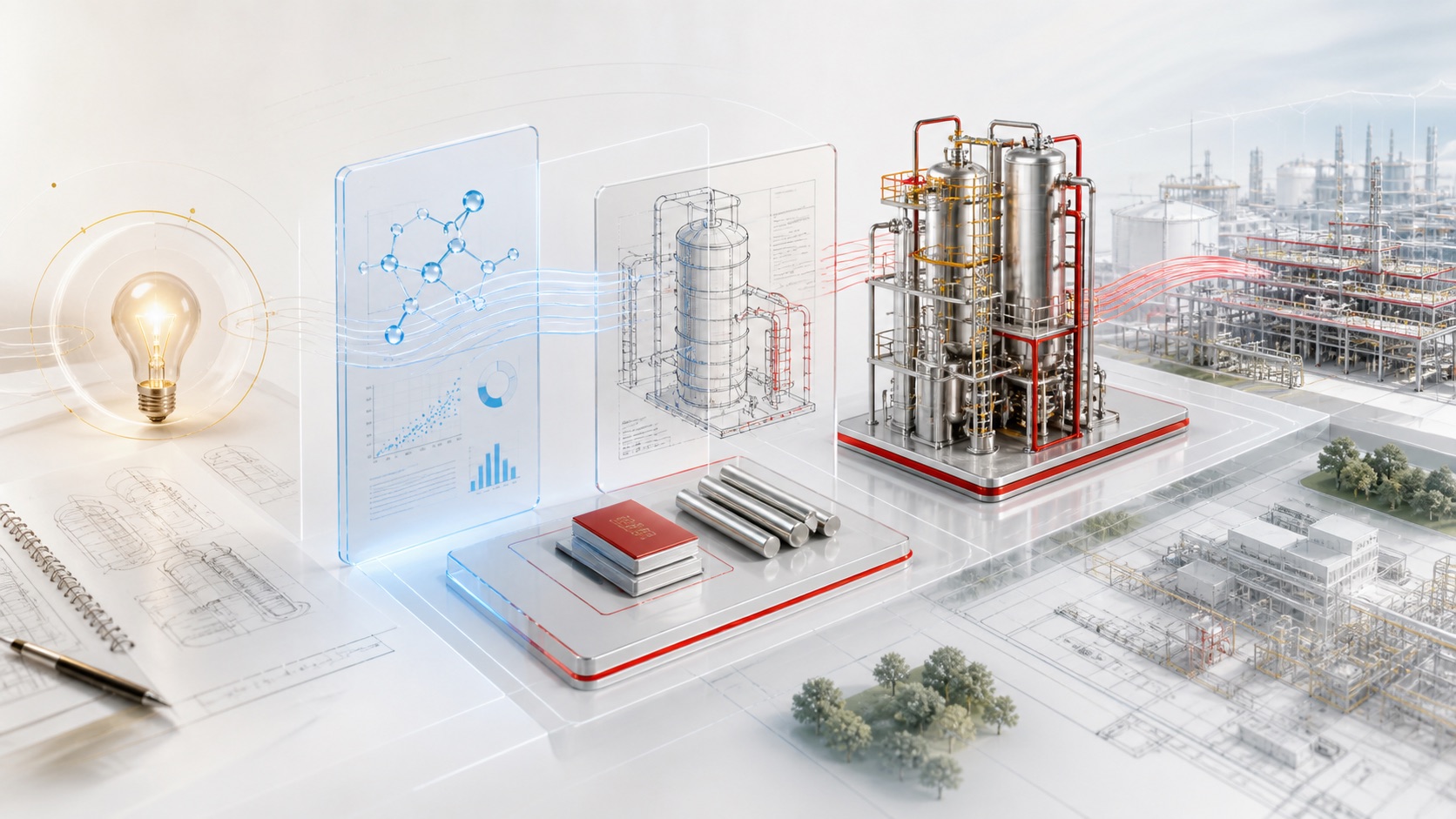
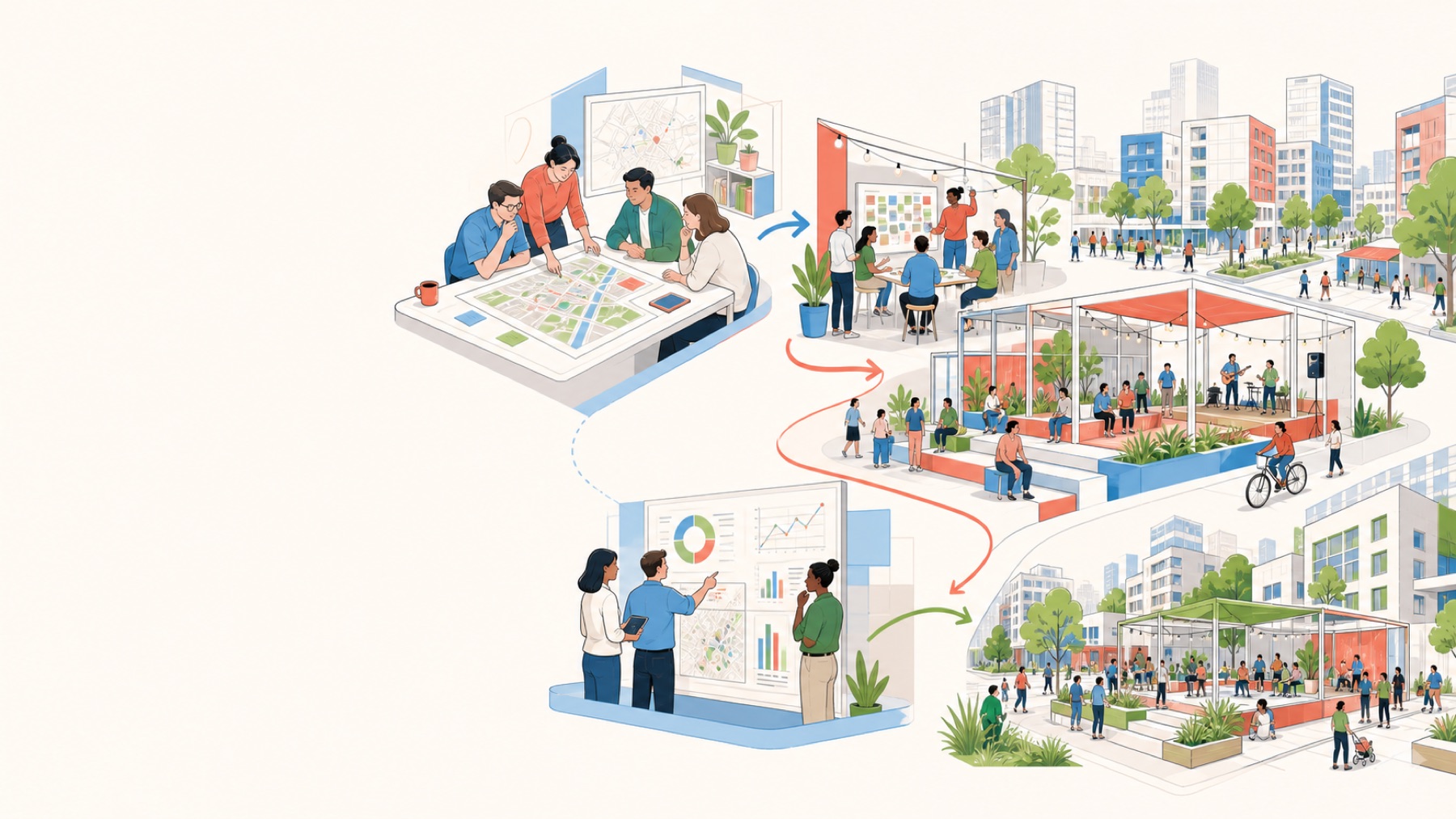
The concept describes a research and design system in which knowledge, ideas, cultural codes, and technologies go from research and prototype to public approbation, digital footprint, product, and possible scaling.
RD_model_Gorod_Sobytiy_presentation.pptx
Downloading the document...
Text web versionText from slides · 7 min read+
Research
Development
Deployment
Demonstration
Version 1.0 · 22 August 2026
1. Summary of the model
APPOINTMENT
R&D-SFERA is not a development department, but a factory for turning designs into proven assets.
Main objective
Event as a test
Knowledge as an Asset
Shorten the path from idea to result and make development manageable: from research to scaling.
Each event becomes a public test of the hypothesis, a partner assembly point, and a digital footprint generator.
Methods, scenarios, data, registers, presentations, cases and educational modules are fixed in the knowledge base.
Idea
Prototype
Event
Market
The result of the model: a controlled conveyor of cultural, educational, digital and event products.
R&D Model of Events City · City of Knowledge · SFERA
2. Main logic R&D-SFERA
FORMULA
Research
Development
Deployment
Demonstration
Research environment, trends, requests
Designing concepts and prototypes
Getting to the city through teams and platforms
public verification through event and media
Expanded ecosystem chain SFERA
Research
Concept
Prototype
Event
Register
Product
Scaling
Capitalization
R&D Model of Events City · City of Knowledge · SFERA
3. Research and development facilities
WHAT WE DEVELOP
Events
Urban formats
Culture and cinema
forums, festivals, awards, exhibitions, strategic games
routes, spaces, centers of attraction, clusters
registers, festivals, film clubs, script laboratories
Education
Digital Products
Economy
courses, intensives, schools, academies, methods
portals, maps, offices, AI-navigation, archives
grants, sponsorship, franchises, PPPs, club models
Principle: The object of R&D is everything that can be researched, designed, tested, packaged and scaled.
R&D Model of Events City · City of Knowledge · SFERA
4. Architecture of R&D models
CONTOURS
Research Outline
environment scanning, interviews, analog analysis, resource maps
Conceptual outline
meaning, positioning, audience, format, effect
Project domain
project passport, budget, team, calendar, risks
Prototype outline
MVP, test event, demo page, pilot session
Event Outline
public approbation, partners, media, feedback
Digital framework
registers, knowledge base, data, analytics, scaling
A single project office connects all the contours into one controlled conveyor
R&D Model of Events City · City of Knowledge · SFERA
5. Full R&D cycle
CONVEIER
The cycle works like a repeatable machine: each new iteration refines the product, strengthens the partner network and increases the project capitalization.
Rule
First a small prototype, then scaling.
Scanning
Capitalization
Research
Withdrawal
R&D cycle
Ready case, digital footprint and clear next step.
Scaling
Concept
Asset
Register
Design
Methodology, brand, registry, franchise or affiliate program.
Packaging
Prototype
Event
R&D Model of Events City · City of Knowledge · SFERA
6. Events City R&D Laboratory
FUNCTIONS
Laboratory of Events
Culture and cinema
Laboratory of knowledge
format catalog, scripts, calendar
portal, registries, festivals, media archives
courses, academies, schools, digital library
Digital Registers
Branding and Media
Economics and grants
asset map, offices, analytics, AI-navigator
styles, sites, teasers, social networks, PR campaigns
partner packages, applications, franchises, PPP
Laboratories are not isolated: they are assembled for a specific project as a temporary production team.
R&D Model of Events City · City of Knowledge · SFERA
7. Five portals of R&D-model
FIVE WAYS
Portal logic helps not only to name blocks beautifully, but also to dilute functions: meaning, place, connection, knowledge and the digital layer.
Fire
Ideas and Creation
manifestos, concepts, future design
Ether
Land
SFERA Assembly
Digital SFERA
Infrastructure
registers, AI, offices, certificates
sites, routes, clusters, museums
Air
Water
Knowledge and Media
Communications
Media, lectures, films, libraries
communities, partners, volunteers, connections
R&D Model of Events City · City of Knowledge · SFERA
8. Management model
HOW TO MANAGE
R&D Council
Project cells
Project Office
• Selection of projects
• Hypothesis statement
• appointment of curators
• Effects Control
• scaling solution
Initiator → Researcher → producer → designer → Methodologist → financier → Media → Partners.
Each cell is responsible for a specific project and its result.
• calendar of events
• passport projects
• registers and knowledge base
• grant applications
• partner packages
• reporting and KPI
R&D Model of Events City · City of Knowledge · SFERA
9. Registers, data and knowledge base
DIGITAL LAYER
Each project leaves a manageable digital footprint — from the idea to the scaling case.
the Event Registry
the Register of Cultural Projects
Cinema Registry
the Register of Sites
roster of experts
Partner Registry
the Grant Registry
Franchise Registry
the Register of Educational Programs
Sign in
Processing
Withdrawal
idea, request, partner, resource
passport, data, examination, prototype
case, product, franchise
R&D Model of Events City · City of Knowledge · SFERA
10. Economics and grant outline
RESOURCES
Grants
Partnerships
Revenues
Scaling
competitions, applications, project passports, reports
sponsorship packages, corporate programs, expert clubs
tickets, subscriptions, services, licenses, merchandise, training
franchises, regional series, international formats
Financial logic: each event should not be an expense, but a step in the creation of an asset.
Event
Media case
Product
Market
R&D Model of Events City · City of Knowledge · SFERA
11. KPI and result evaluation
MEASUREMENT
R&D portfolio
Event result
Partner Network
concepts, prototypes, project passports
events, participants, venues, regularity
partners, experts, institutions, sponsors
Finance
Media
Social impact
grants, revenue, budgetary and extrabudgetary resources
publications, coverage, video, reputation index
education, employment, citizen engagement, tourism
Important: KPI should measure not only money, but also the development of the environment - knowledge, connections, trust, reputation and new opportunities of the city.
R&D Model of Events City · City of Knowledge · SFERA
12. Road map of implementation
STARTING
0–30 days
31–90 days
3–6 months
6–12 months
Kernel assembly
Pilots
Conveyor
Scale
team, registers, passport templates, map of the first projects
3–5 prototype events, first knowledge base, partner packages
regular calendar, grant flow, media packaging cases
franchises, regional series, international partners, digital SFERA
A critical success factor is to quickly launch the first portfolio of pilots and record the results in the form of cases.
R&D Model of Events City · City of Knowledge · SFERA
13. Standard passport of the project
SHABLON
Name
Budget
Mission
Partners
Goal
Indicators
Target audience
Risks
Product
Launch plan
Deadlines
Scaling model
Team
Digital footprint
The project passport is a single management standard: without it, the idea does not get into the R&D pipeline.
R&D Model of Events City · City of Knowledge · SFERA
The City of Events is not a calendar of events.
TOTAL POSITIONING
It is a research and design machine that transforms the city into a living laboratory of the future.
For the city
For people
For partners
new economy, tourism, reputation, employment
education, participation, creation, opportunities
projects, data, cases, markets
R&D model · City Events · City Knowledge · SFERA
Source materials
Originals and versions of the document
- RD_model_Gorod_Sobytiy_presentation.pptxPPTX · main document